 Chess
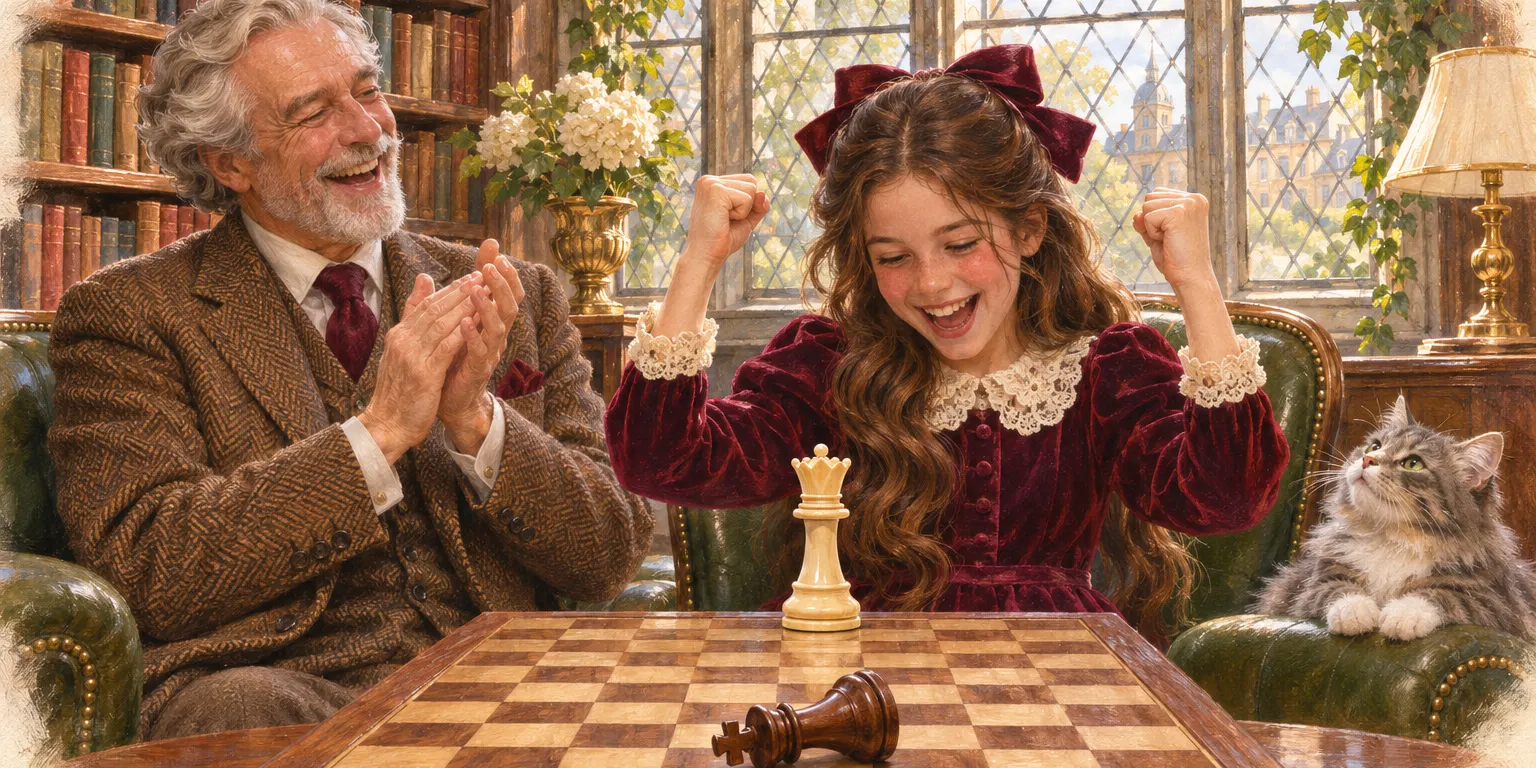
Checkmate wins the game, but beginners often have a mate on the board and don't see it. The good news is that many checkmates look alike: the king is boxed in by its own pieces, a few squares happen to be unguarded, and one move finishes it. Here are the 10 most common patterns with diagrams. Get to know them, and when you play chess online you'll recognize them at a glance.
What is a checkmate pattern?
A checkmate pattern is a mate that keeps showing up in the same shape. Each one has a name because it happens again and again in real games: the same pieces, the same squares, the same result.
Learning them helps in two ways:
- When you attack, you see the enemy king turning into a familiar shape and know where to strike.
- When you defend, you see your own king turning into that shape and know which square to cover first.
For the rules of check and checkmate themselves, see check, checkmate and draws.
Mates you can meet in the opening
These can happen within the first ten moves, so beginners should learn them first:
- Fool's MateWhite carelessly pushes the f- and g-pawns, and the black queen mates along the diagonal. The fastest checkmate in chess, just two moves.
- Scholar's MateThe queen and bishop aim at f7 together and mate in four moves. The most common way beginners get mated, and the easiest to stop.
- Légal's MateWhite deliberately lets a black bishop take the queen, then mates with a bishop and two knights. One of the most famous opening traps.
The king is boxed in by its own pieces
The squares around the king are filled with its own pawns or pieces, so a single enemy piece can mate it:
- Back-Rank MateThe king hides behind three pawns, but nobody guards the back rank, and one rook or queen sweeping in is mate. The most common mate after the opening.
- Smothered MateEvery square around the king is taken by its own pieces, and one knight jumping in is mate. One of the prettiest mates, with a classic queen sacrifice.
- Epaulette MateThe king has its own rooks on both sides, like two epaulettes. One check from the enemy queen straight ahead, and the king can't go anywhere.
Two pieces working together
One piece gives check, and the other cuts off the king's escape:
- Arabian MateThe rook checks right next to the king, and the knight protects the rook from a diagonal while covering the last square. One of the oldest mates.
- Anastasia's MateA knight on e7 seals off two of the king's exits, and a rook or queen comes down the h-file for mate. Often comes with a queen sacrifice.
- Boden's MateThe two bishops' diagonals cross right on the king: one gives check, the other cuts off the escape. Made for kings that castled queenside.
- Damiano's MateA pawn pushed to g6 protects the queen, and the queen gives check on h7 right next to the king. Often set up with a rook sacrifice that opens the h-file.
Mates and tactics
Many mates need a tactic first, to lure a defender away or drive the king into a corner. For example, you might win a piece with a fork first, or sacrifice to drag a defender off its post. The tactics are collected in chess tactics.
FAQ
What's the difference between check and checkmate?
Check means the king is attacked but can still get out (by moving, blocking, or capturing the attacker). Checkmate means the king is in check and there's no way out. The game is over.
Which checkmate do beginners fall for most?
In the opening, it's Scholar's mate (queen and bishop teaming up on f7). Later in the game, it's the back-rank mate. Learn these two first and you'll lose a lot fewer games.
How do I get better at spotting mates?
Every article ends with practice puzzles. Think first, then check the answer. During your games, glance at both kings before every move and count how many squares each one has to escape to.
Once you've got them down, try them out in free online chess. Looking for other lessons? Head back to the chess home page.